
Blog/Sustainability · 05 October 2023
Net Zero Carbon vs Construction Costs
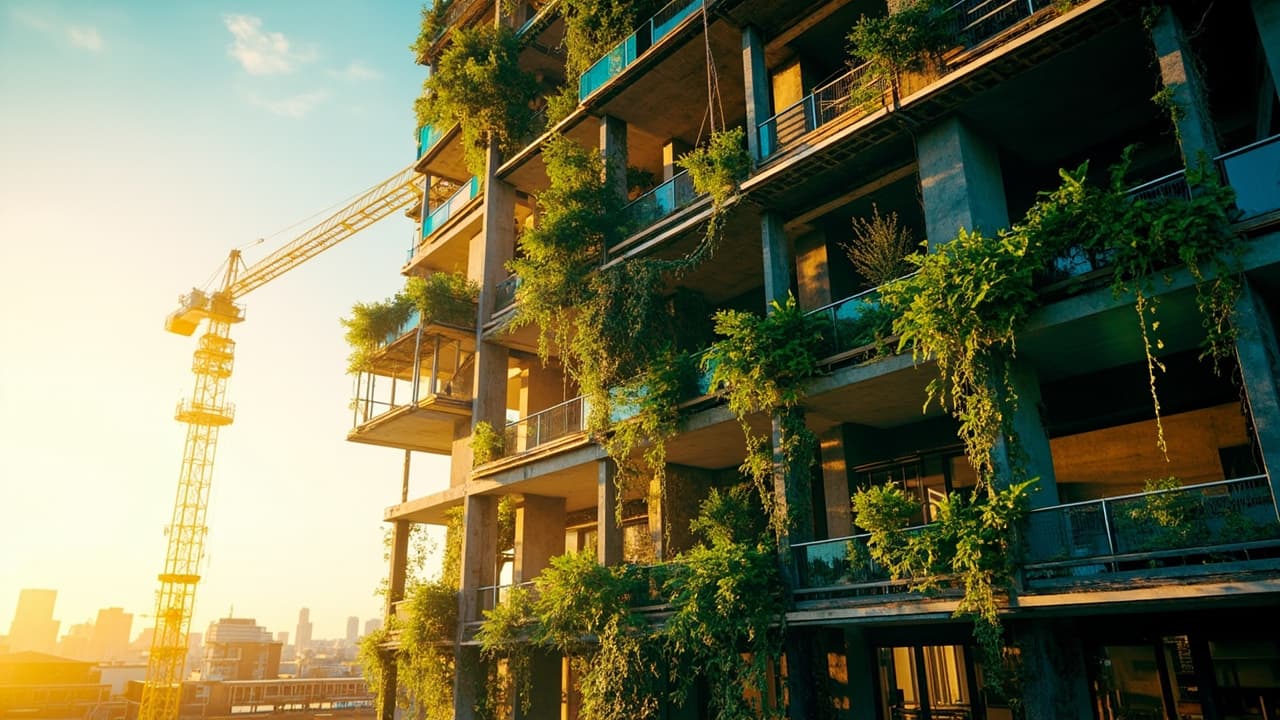
“As the golden rule of achieving Net Zero, measures that reduce energy demand and make buildings highly energy efficient are always prioritised.”
As the world becomes increasingly aware of the urgent need to reduce greenhouse gas emissions and mitigate climate change, Net Zero Carbon has become an important goal for many industries — including construction. But what does Net Zero Carbon mean for construction costs?
As the golden rule of achieving Net Zero, measures that reduce energy demand and ensure buildings are highly energy efficient are always prioritised. How the remaining energy demand is supplied varies: if 100% is met by on-site renewables, it is a net zero energy building; where off-site renewable energy is imported to meet the balance, it is net zero operational carbon.
In new developments, maximum embodied-carbon reductions should be sought — for example by renovating existing buildings or through careful material selection. If residual emissions from embodied carbon and any remaining fossil-fuel use are compensated for through offsets, the asset is net zero whole life carbon.
The wider transition
The World Green Building Council recognises the role of offsets as part of the transition towards total sector decarbonisation, enabling tangible environmental and social co-benefits in support of the Sustainable Development Goals. At an entity level, per the Science Based Targets initiative's Net Zero Standard (2021), a company's total footprint should be reduced by 90% with the remainder offset by carbon-removal projects to classify as net zero.
Achieving this requires innovative design focused on optimising performance and collaboration across the entire project team. Buildings that earn these high-performance classifications — with energy and carbon budgets verified against actual consumption data — are Advancing Net Zero.
The cost equation
An important factor is the growing pool of regulatory and financial incentives for Net Zero Carbon construction. In many regions, governments and financial institutions offer incentives for buildings that meet energy-efficiency and carbon-reduction standards, helping offset higher upfront costs.
While building to Net Zero Carbon standards may involve higher initial investment, many factors make it financially viable and worthwhile. As the industry continues its shift towards sustainable practice, professionals must stay informed and prepared for the changes ahead.
Read next
The Value of Working with Main Contractors